Understanding the Impact of Workplace Culture in Retail Banking
An unforgettable experience on President’s Day reminded me of the challenges retail bankers face daily. We had stopped at a store during a long drive home, a store connected to a national chain sandwich shop and a “casino.” The state of the store and the employees’ attitudes were disappointing and a stark reminder of the importance of a positive working environment.
The Effect of Negative Work Environments
Employees were engaged in a loud, public complaint session, covering everything from changes in the Mardi Gras parades to their manager’s perceived high pay and low work hours. They were working, but their entire focus seemed to be on their grievances. This negative atmosphere was so draining that even as a customer, I felt mentally tired after a few minutes inside the store.
The impact of negative work environments is a commonly observed issue in various workplaces, from low-paid jobs requiring physical labor to high-paying office jobs. Such environments can drain employees’ energy and enthusiasm, reducing their productivity and overall job satisfaction. The negativity can also spill over to the customers, creating a less-than-ideal customer experience.
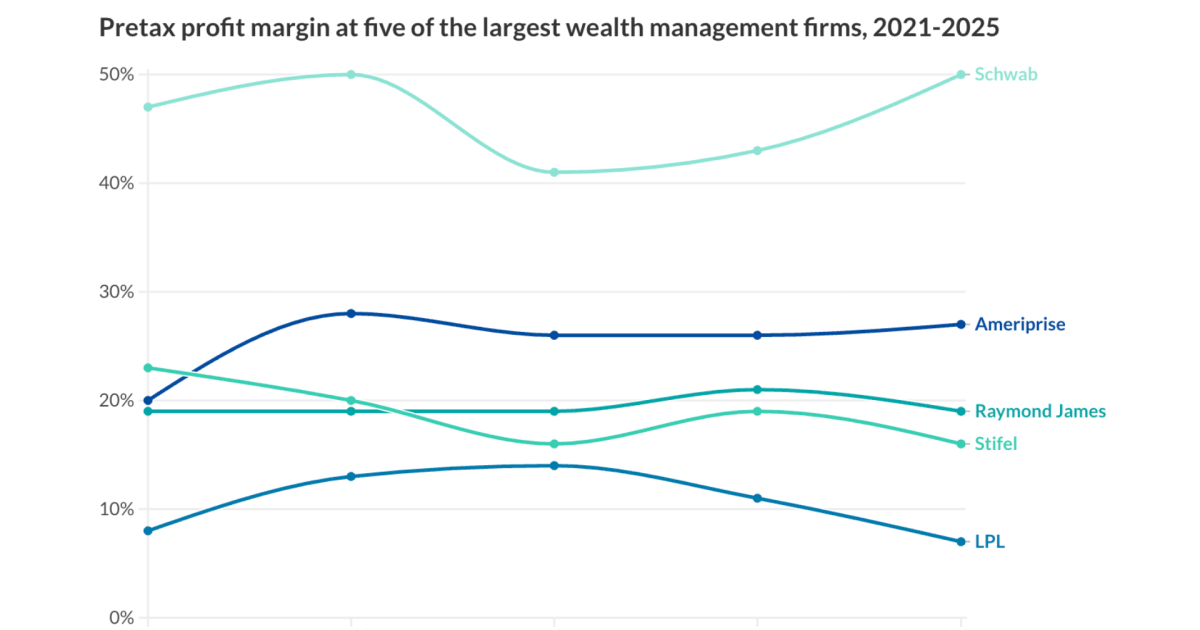
Visualization created with AI assistance based on original reporting.
The Power of Positive Work Environments
On the other hand, positive work environments can have a significantly beneficial impact on both employees and customers. Neuroscientists argue about an effect called emotional contagion, suggesting that our moods and attitudes can influence those around us. A positive attitude can spread throughout the workplace, boosting morale, increasing productivity, and improving the overall customer experience.
However, not everyone appreciates the importance of a positive workplace atmosphere. Some managers dismiss it as irrelevant, arguing that employees are paid to do their jobs regardless of their emotional state. This perspective overlooks the value of discretionary effort – the extra work that employees willingly put in, which can significantly enhance productivity and customer experience.
The Role of Managers in Shaping Workplace Culture
In branch banking, where person-to-person interactions are becoming rarer but more impactful, the importance of a positive work environment cannot be overstated. Positive workplaces lower stress, strengthen teamwork, and increase engagement, which can improve performance and employee retention. In turn, this can lead to increased customer loyalty.
Managers play a crucial role in shaping the workplace atmosphere. While they cannot force happiness, they can set the tone by addressing negative behaviors, modeling the desired behaviors, and acknowledging positive attitudes. They can shape the culture, which in turn influences employee attitudes and actions.
In conclusion, a positive work culture is not just a nice-to-have; it’s a force multiplier in retail banking. It can significantly enhance employee productivity and customer experience, contributing to the overall success of the bank. Managers should therefore prioritize creating and maintaining a positive work environment.
Source: Here