U.S. Banks Transforming Physical Spaces: Cafés, Community Rooms, and More
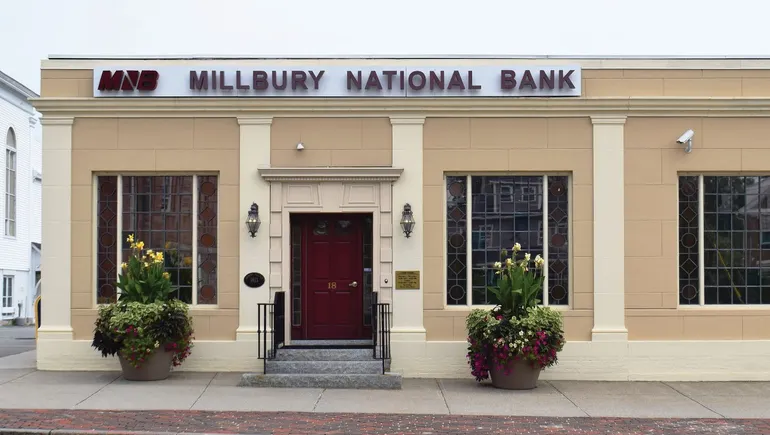
As the banking industry continues its rapid digital transformation, financial institutions across the United States are finding innovative ways to repurpose their physical branches. From transitioning into cafés to creating community spaces, banks are reinventing their brick-and-mortar locations to keep up with the evolving needs of their customers. However, this novel approach has sparked criticism and legal concerns among some sectors.
Unexpected Transformations: From Banks to Cafés
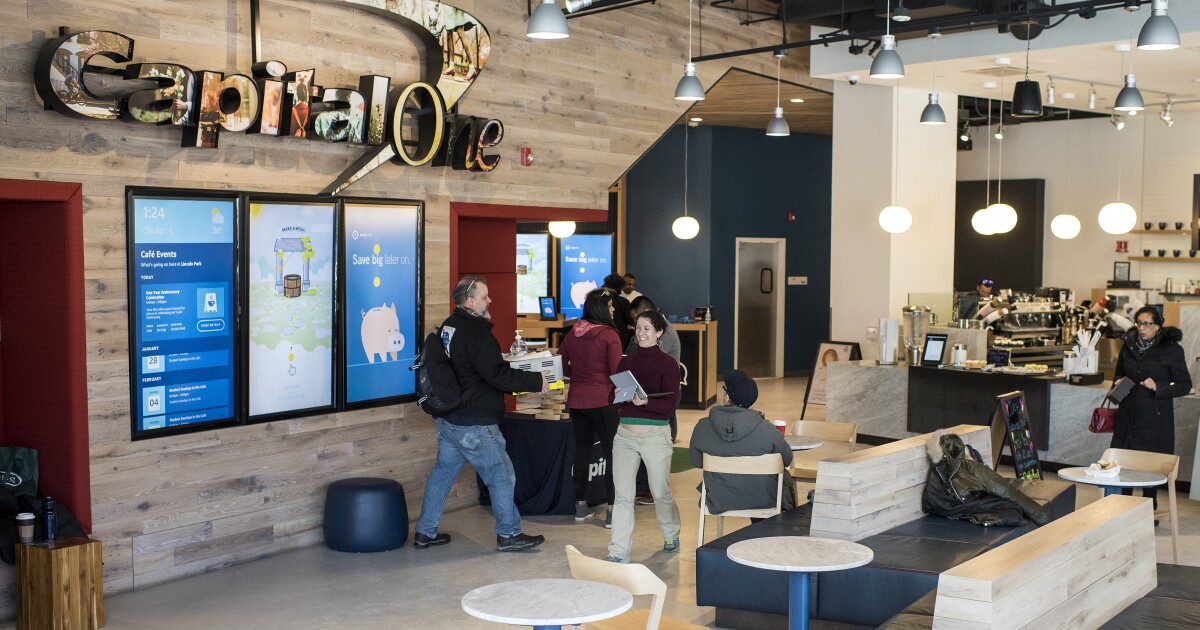
Capital One Financial has been a leading figure in this transformation, operating 65 bank cafés across the country. These unique spaces allow the public to engage with brand ambassadors over a cup of coffee, creating a more relaxed and inviting environment for potential customers to learn about banking services. The success of this model has influenced other smaller banks to follow suit.
For instance, in upstate New York, Five Star Bank has set up coworking spaces similar to WeWork for nonprofits to hold meetings. Citizens Bank of Edmond in Oklahoma has reimagined its main branch as a “Community Lobby,” hosting diverse events from photos with Santa Claus to Pokémon Go tournaments.
Beneficial for Banks and the Community
Though the public can often enjoy these spaces for free, banks also reap benefits. Marketing experts suggest that such innovative initiatives help attract new customers, reward existing ones, and create a positive welcoming space that could lead to more substantial banking services.
Erinn Steffen, chief operating officer of the marketing agency Mower, notes that these spaces make people feel comfortable and open to learning about banking products. “People don’t walk into a bank normally feeling super relaxed, but they walk into a café feeling that way,” Steffen said.
The Controversy Surrounding Bank Cafés
Despite the potential benefits, this novel approach to banking has its critics. Consumer advocates argue that these cafés blur the line between banking and commerce, which is illegal for banks to engage in. They claim that these cafés create unfair competition for local coffee shops.
Americans for Financial Reform, a nonprofit group, has petitioned New York Attorney General Letitia James to investigate these cafés. “This practice violates the law that separates banking from commerce and is the kind of unfair competition that antitrust laws were meant to stop,” they wrote in an email to their supporters.
Bloomberg
Capital One, however, maintains that there’s nothing illegal about their cafés. They argue that these cafés are not bank branches and the coffee is sold by a third-party vendor, not by the bank.
Walking a Fine Legal and Ethical Line
The controversy highlights the risks involved in this strategy. Banks must carefully navigate legal and ethical lines while repurposing their office spaces. As Steffen noted, “Banks like Capital One are really careful to position their cafés as engagement environments, not commercial businesses.”
This complexity hasn’t deterred other banks from experimenting with their physical spaces. For example, Five Star Bank offers meeting rooms equipped with high-speed Wi-Fi, high-definition screens, and conference call phones to nonprofit organizations, free of charge.
Citizens Bank of Edmond has taken a multifaceted approach, transforming its physical spaces into a community lobby, a coworking space, and a retail incubator for local businesses.
Citizens’ CEO Jill Castilla believes that both the bank and the community benefit from these transformations. “We want to make sure we’re being a modern, relevant community bank but also being one that’s deeply entrenched in its community,” she said.
As banks continue to repurpose their physical spaces, the industry will have to address the legal and ethical concerns raised by critics. Nonetheless, these transformations illustrate the banking industry’s innovative approach to adapting to the digital age.
Find more about this topic Here.