Payoneer Seeks National Trust Bank Charter
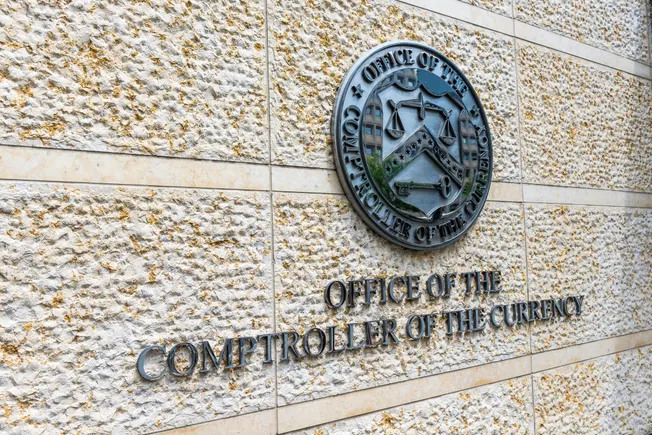
Payoneer, a prominent cross-border payments platform, has recently filed an application for a national trust bank charter with the Office of the Comptroller of the Currency (OCC).
If approved, Payoneer’s entity, named PAYO Digital Bank, would have the authority to issue, send, and receive stablecoins under direct federal oversight. Additionally, it would offer custody services, manage stablecoin reserves, and enable customers to convert funds between digital assets and fiat currencies.
Although the charter would not permit Payoneer to accept deposits or engage in lending activities, the company sees this move as a pivotal step in integrating stablecoin capabilities into its global payments ecosystem.
Strengthening Financial Infrastructure
In a statement, Payoneer’s CEO, John Caplan, emphasized the significance of the application, referring to it as a critical next step in the company’s strategy to provide customers, particularly small and medium-sized businesses, with a trusted and regulated means to leverage the latest payment innovations.
The move comes amidst a surge in interest in OCC charters, with eighteen firms applying for charters last year. Many of these firms, including Payoneer, are seeking the national trust bank charter, indicating a growing trend in the fintech sector towards regulatory compliance and the pursuit of banking licenses.
Industry Response and Future Prospects
Rob Morgan, the proposed CEO of PAYO Digital Bank, expressed optimism about the potential charter approval, stating that it would position Payoneer’s users at the forefront of global adoption, enabling significant improvements in global trade through stablecoin innovations.
While Payoneer awaits the OCC’s decision, other firms, such as World Liberty Financial and Laser Digital, are also in line for conditional nods. However, advocacy groups like the Bank Policy Institute have raised concerns about the growing trend of digital asset firms seeking trust charters without intending to operate genuine trust companies, potentially blurring the boundaries of traditional banking activities.
Expanding Regulatory Landscape
Recent conditional approvals granted by the OCC to firms like Circle Internet Group, Ripple, and Crypto.com reflect the evolving regulatory landscape, where fintechs are increasingly encouraged to pursue full-service national banking charters to engage in a wider range of banking activities.
As the industry continues to evolve, with players like Mercury, Bunq, and Nubank also applying for full-service charters, the landscape of financial services is poised for significant transformation, driven by the integration of stablecoin capabilities and the adoption of innovative payment solutions.
In conclusion, Payoneer’s application for a national trust bank charter underscores the company’s commitment to enhancing its global payments ecosystem and providing customers with secure and regulated financial services in the digital age.