The Amsterdam-based digital bank, Bunq, is reapplying for a U.S. banking charter, a strategic move that could stir the competitive dynamics among European neobanks and fintechs operating in the United States. This comes two years after Bunq withdrew its previous application for a U.S. charter. The Dutch neobank is planning to leverage European Union (E.U.) banking technology to target U.S.-based digital nomads, underscoring the growing trend for cross-border banking services.
Bunq’s Second Attempt at a U.S. Charter
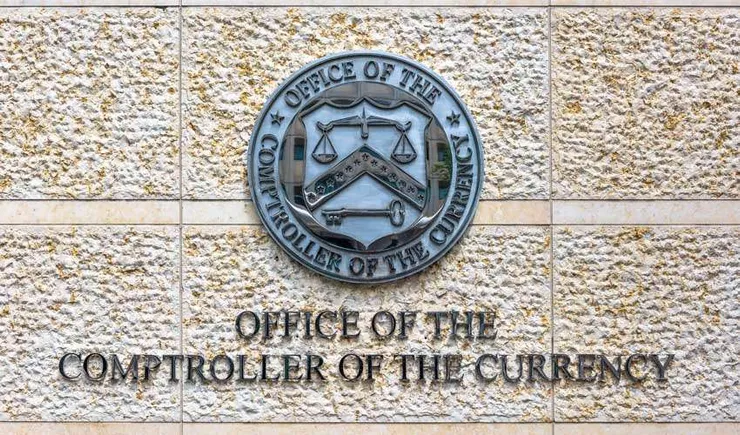
Bunq announced on Wednesday that it formally filed for a U.S. de novo banking license with the Office of the Comptroller of the Currency. The digital bank is a major competitor of Revolut in Europe, which also has plans to secure a U.S. banking license. Bunq, which currently has 20 million users, is the second-largest European neobank following Revolut, which boasts 65 million global customers. Other rivals include Monzo, with 14 million users, and N26, with an estimated 4.8 million users.
The subscription-based service offered by Bunq allows users to manage multiple international accounts and currencies within a single application. The neobank’s renewed attempt to secure a U.S. banking license would enable it to offer its savings deposits and other services to European digital nomads living or working in the U.S.
Previous Application and Withdrawal
Bunq’s first attempt to secure a U.S. banking charter occurred in 2023. However, due to a “difference of views” between Bunq’s Dutch bank regulators and American bank agencies, the neobank withdrew its application in early 2024. Joe Wilson, chief evangelist for Bunq, referred to the withdrawal as a “procedural” step. He noted that their initial application served as a learning opportunity, and they have since been preparing for their U.S. entry behind the scenes.
Bunq’s AI-Powered Banking
Theodora Lau, founder of Unconventional Ventures, has been closely tracking Bunq’s progression. She considers Bunq as one of the first ‘AI-native’ neobanks due to its use of NVIDIA AI for transaction monitoring and fraud detection. Such innovative offerings could be particularly appealing to the transatlantic digital nomads who lack an established credit profile in the U.S. and do not possess a Social Security number.
Building U.S. Credit Scores
If Bunq’s charter application is approved, it plans to launch a service that would enable consumers residing in the U.S. to quickly build credit scores by accessing their European financial records. Selected users would also be able to open both U.S. and European checking accounts. The company, however, has not provided details on how it plans to connect to American credit bureaus to assist expats in building their U.S. credit scores.
“Our users are building their lives across borders, so they need a bank that is safe, secure and easy to use wherever they are,” said Ali Niknam, founder and CEO of Bunq. He added that they aim to provide users with the freedom to live the way they want, whether they are traveling, working, or living in the U.S. or Europe.
Planned U.S. Rollout
Bunq intends to commence its U.S. services in metropolitan and urban areas with large expat communities. The neobank, however, did not specify which cities it would be targeting during the rollout. Lau believes that identifying the market segment is critical and suggests that Bunq is likely to focus on specific verticals rather than the mass market.
As Bunq seeks to facilitate a seamless banking experience for digital nomads, its reapplication for a U.S. charter marks a significant stride in the evolution of cross-border banking. The approval of Bunq’s charter could potentially pave the way for cross-border credit portability, changing the landscape of international banking.
For more details, you can refer to the original source Here.