The Essential Role of Banks in the U.S. Economy
The banking system plays a critical role in the U.S. economy, acting as an essential bridge between depositors and borrowers. Whether it’s consumers looking for a safe place to save or businesses seeking credit to fund growth and innovation, banks serve these needs effectively. The uniquely American system of regulated banks, from global institutions to numerous community banks, is vital to the economy’s dynamism and resilience.
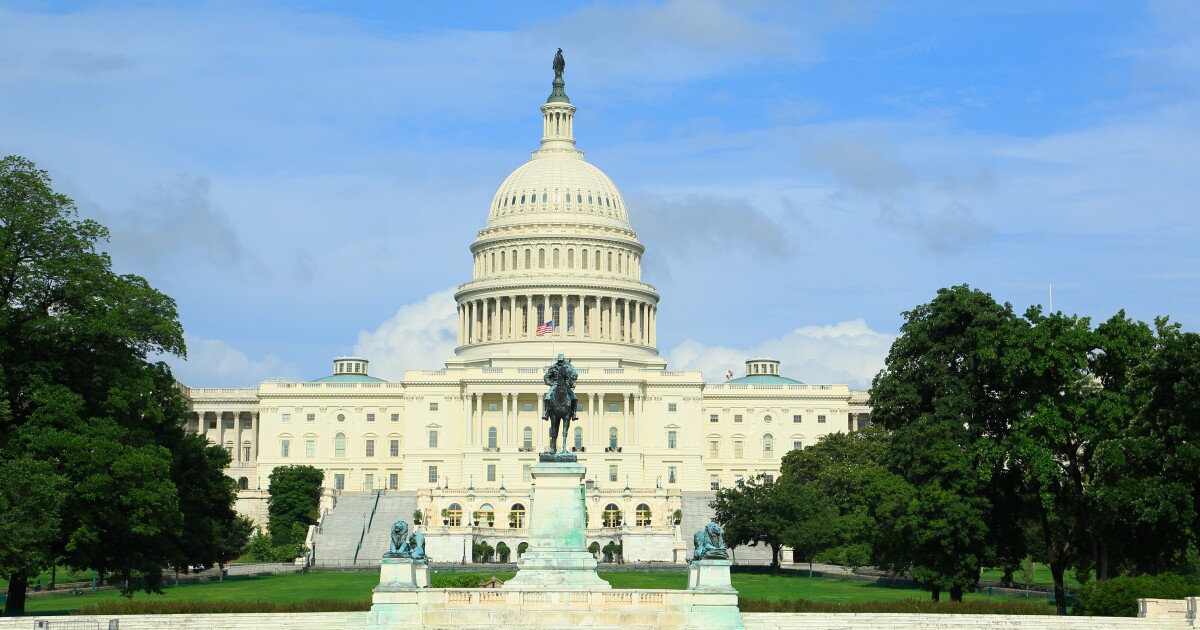
Adobe Stock
Challenges Faced by the Banking Sector
Despite their importance, banks have been losing ground to private credit funds and fintech companies over the past 25 years. These unregulated nonbank lenders, while contributing innovation and liquidity, do not operate under the same strict oversight as banks, nor do they have access to the same government support systems. Consequently, their loans tend to be more costly, impacting both consumers and businesses. This shift in market share has led to a significant reduction in the number of banks, from around 10,000 a quarter of a century ago to approximately 4,500 today, likely hindering economic growth and financial inclusion.
Reclaiming Market Share: A Call to Action
Given this landscape, the recent call by the Treasury secretary for banks to “go on the offense” could not be timelier. Banks are being urged to retake market share, leverage new technology, utilize the evolving regulatory landscape to their advantage, and thereby expand their role in the American economy. This approach, supported by actions from the FDIC and OCC to align regulation with risk, reduce unnecessary bureaucracy, and foster innovation, signifies a pivotal moment in the industry.
Expanding Access to Affordable Housing
Another important focus is the expansion of affordable and sustainable homeownership, a priority of the Federal Housing Finance Agency. The U.S. is currently grappling with a housing shortfall estimated between 1.5 and 5.5 million units. The escalating housing prices and rents are making it increasingly difficult for people to find affordable housing. By strengthening the banking sector and collaborating with reformed government-sponsored enterprises, attractive financing options can be provided to boost the housing supply nationwide. This not only supports the FHFA’s goal of equitable and reliable housing finance but also strengthens the connection between borrowers and mortgage credit.
The Role of Congress
Congress, specifically the House Financial Services and Senate Banking committees, should support this approach and enact reforms that promote a competitive, innovative, and growing banking system. Two promising bipartisan bills, H.R. 5317, the Community Bank Deposit Access Act, and H.R. 3234, the Keeping Deposits Local Act, aim to modernize regulations, making it easier for banks to manage insured balances and classify large deposits.
Embracing Technology and Innovation
Further policies that facilitate banks to reclaim asset classes lost to nonbanks, integrate fintech innovation into their operations, and embed AI in their services will enhance market oversight and reduce borrowing costs. Regulatory changes that allow crypto inclusion in credit scoring can expand access to homeownership. Moreover, empowering banks to leverage advanced analytics and data platforms for risk assessment and pricing will lead to a more stable financial system.
Conclusion
Every congressional district has local banks. By empowering these community pillars to reclaim their historical role in our economy, we will not only benefit local constituents but also strengthen our national economy.
Source: Here