The Impact of the Middle East Conflict on Global Financial Markets
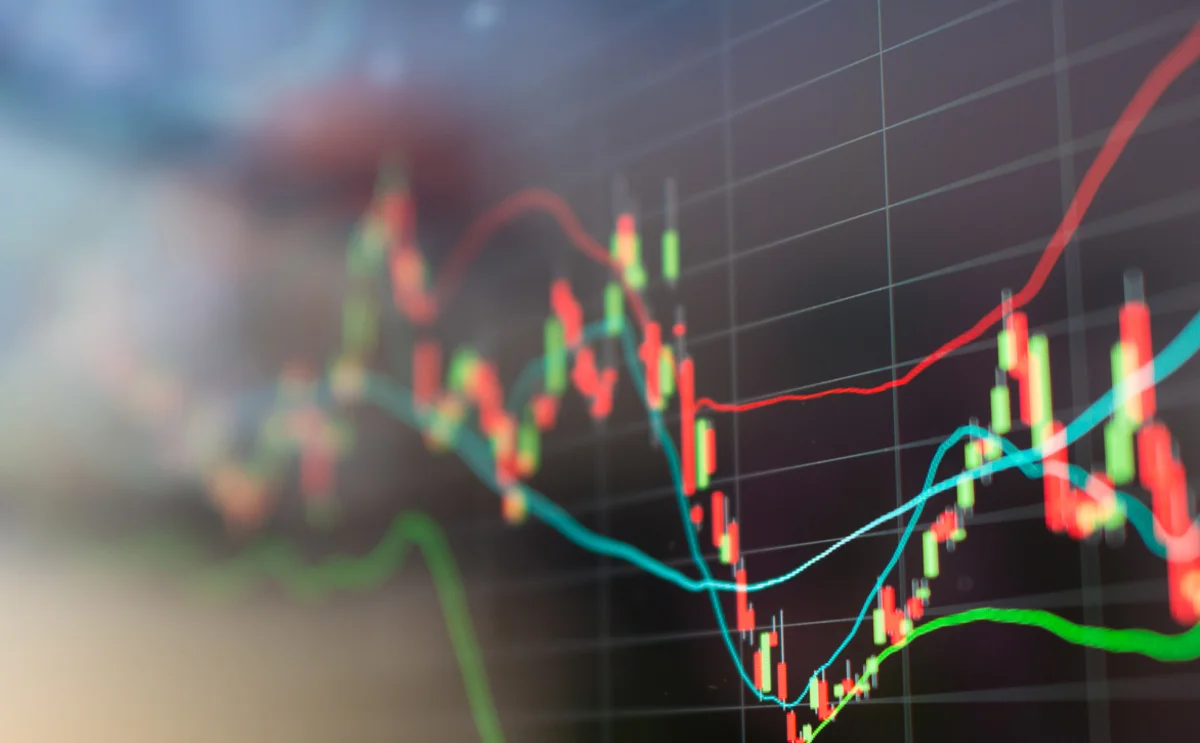
The recent zig-zag pattern demonstrated by global markets is largely reflective of the swiftly fluctuating news surrounding the Middle East conflict. Despite the unpredictable nature of the situation, analysts have yet to identify any signs of impending financial distress. As the circumstances continue to evolve, the reactions of various markets provide a fascinating insight into the global economic landscape.
The Resilience of Risky Assets Amid Rising Oil Prices
One of the most notable aspects of the current economic scenario is the relative stability of high-risk assets in the face of increasing oil prices. According to Michael Pearce, chief US economist at Oxford Economics, the prices of many such assets have remained surprisingly unaffected. Speaking to Central Banking, Pearce highlighted how this unexpected resilience is a significant talking point in the current economic conversation.
The Response of Government Bonds
While many markets remain unresponsive to the rise in oil prices, this is not the case across the board. In particular, yields on government bonds in some economies have experienced a noticeable increase, especially at the two-year mark. This indicates that while broad financial distress may not be imminent, the effects of the Middle East conflict are certainly being felt in specific sectors.
Understanding the Current Economic Landscape
The varying responses of different markets to the ongoing conflict in the Middle East provide a complex picture of the global economic landscape. As events continue to unfold, it is essential to monitor these markets closely, looking out for any signs of distress that may emerge. However, as Pearce’s comments and the current state of high-risk assets demonstrate, it is not a given that conflict will result in financial distress.
Looking Forward
As analysts continue to monitor the situation, it is crucial to remember that the current stability of many markets, particularly risky assets, should not lead to complacency. While there may be no signs of financial distress yet, the situation is incredibly fluid, and rapid changes are possible. By maintaining a vigilant approach and understanding the potential impacts of global events on various markets, we can better prepare for any eventualities.
For more details on this topic, please visit here.