The Renewed Conflict in the Middle East: A New Challenge for the US Federal Reserve
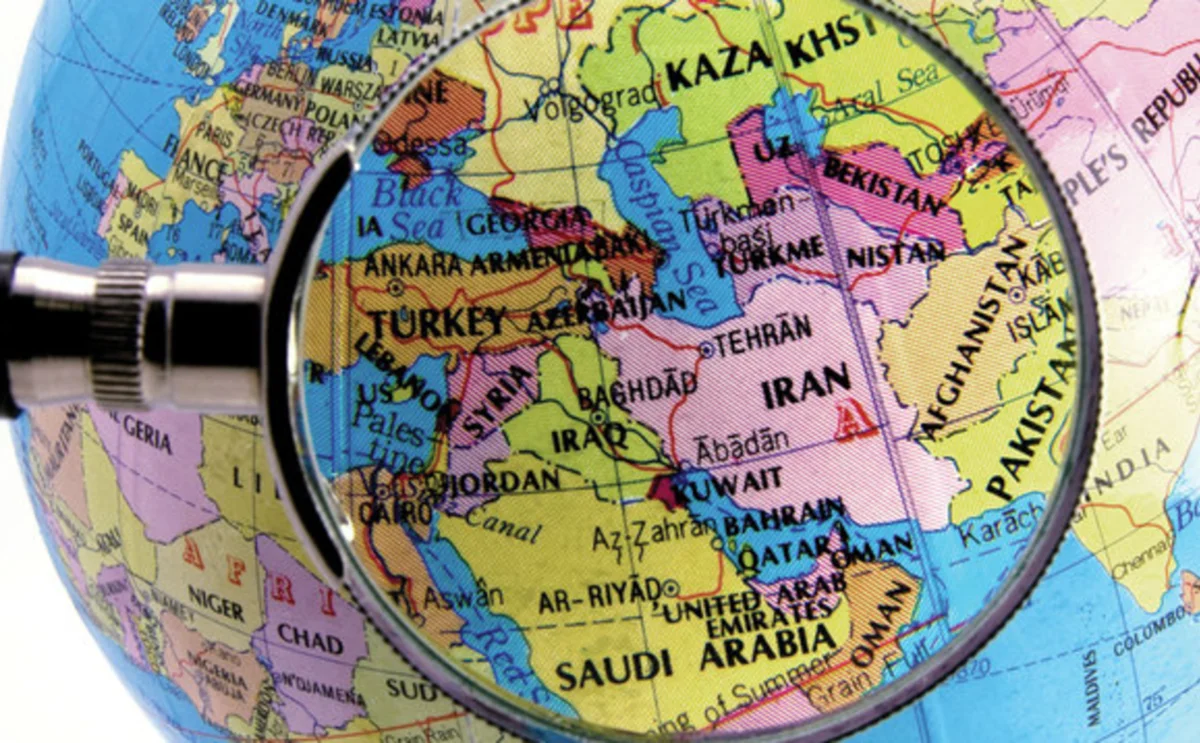
The recent escalation of conflict in the Middle East has put the US Federal Reserve in a challenging situation. The joint US-Israeli attack on Iran on February 28, which resulted in the death of the country’s supreme leader, has led to a series of retaliatory strikes from the Islamic republic targeting countries across the region. Moreover, Iran has imposed an effective blockade on the Strait of Hormuz, a crucial waterway for global oil trade. According to experts interviewed by Central Banking, these developments have created new uncertainties for the Fed as it seeks to fulfill its dual mandate.
How the Middle East Conflict Affects the Federal Reserve’s Decision-Making
The Federal Reserve, the central bank of the United States, has a dual mandate — to maintain stable prices and to maximize sustainable employment. However, the renewed conflict in the Middle East significantly complicates the Fed’s decision-making pathway. The blockade of the Strait of Hormuz has the potential to disrupt global oil supplies, leading to higher oil prices. This could, in turn, lead to increased inflation, threatening the stability of prices, one of the Fed’s primary mandates.
The Balancing Act of the Federal Reserve
The Fed also needs to consider the impact of the conflict on the US economy and employment. The potential rise in oil prices could lead to increased costs for businesses and consumers, leading to slower economic growth and potentially higher unemployment. This puts the Fed in a difficult position, as it needs to balance between controlling inflation and promoting employment.
The situation is further complicated by the fact that the US has been a direct participant in the conflict. This creates geopolitical uncertainties that can affect investor confidence and financial markets, adding another layer of complexity to the Fed’s decision-making process.
Looking Ahead: Uncertainties and Challenges
The future path of the Federal Reserve’s policy will depend on how the Middle East conflict evolves and its impact on global oil prices, the US economy, and financial markets. The Fed will need to carefully monitor the situation and be prepared to adjust its policy as needed. This underscores the importance of central banks having the flexibility to respond to unexpected events and challenges.
While the Fed has a long history of managing uncertainties and has navigated through many crises in the past, the renewed conflict in the Middle East presents a unique set of challenges. It is a reminder of the complex interplay between geopolitical events, the global economy, and central bank policy.
As the situation continues to evolve, all eyes will be on the Fed and how it manages these new uncertainties and challenges.
Read more about the impact of the Middle East conflict on the Federal Reserve’s decision-making here.