Political Rhetoric and Attacks on ESG Investing
Political rhetoric and attacks on ESG investing have spurred massive outflows and yielded notable changes to customer sentiment and data disclosure practices. But beneath these pullbacks lies a complex political reality for ESG data and impact investing under President Donald Trump’s second administration, according to financial advisors and experts.
Processing Content
Despite the challenges, many clients still seek to align their portfolios with their principles. Companies, however, are increasingly softening the language around those values in their public disclosures, giving contradictory signals for investment criteria and strategies that may appear different beneath the surface than the popular narratives about them.
Victor Orozco, managing partner at Bair Financial Planning, acknowledges the reluctance some may have in entering the ESG space but highlights the continued interest and flows in their practice. Keith Beverly, managing partner at Re-Envision Wealth, emphasizes the importance of maintaining contact with companies in clients’ portfolios, praising commendable actions reflected in sustainability reporting.
A High-Level Look at Murky Investor Sentiment
Recent findings related to impact investing and ESG data underscore the conflicted landscape:
- Sustainable fund outflows continue, but assets hit record high. U.S. investors have driven net outflows from sustainable funds, yet assets have reached a record high, indicating a reduced appetite for sustainable funds due to anti-ESG sentiment.
- ESG-labeled assets leveled off under heightened scrutiny. U.S. holdings under ESG labels slightly increased, reflecting a recalibration of investor attitudes and organizational strategies toward sustainability.
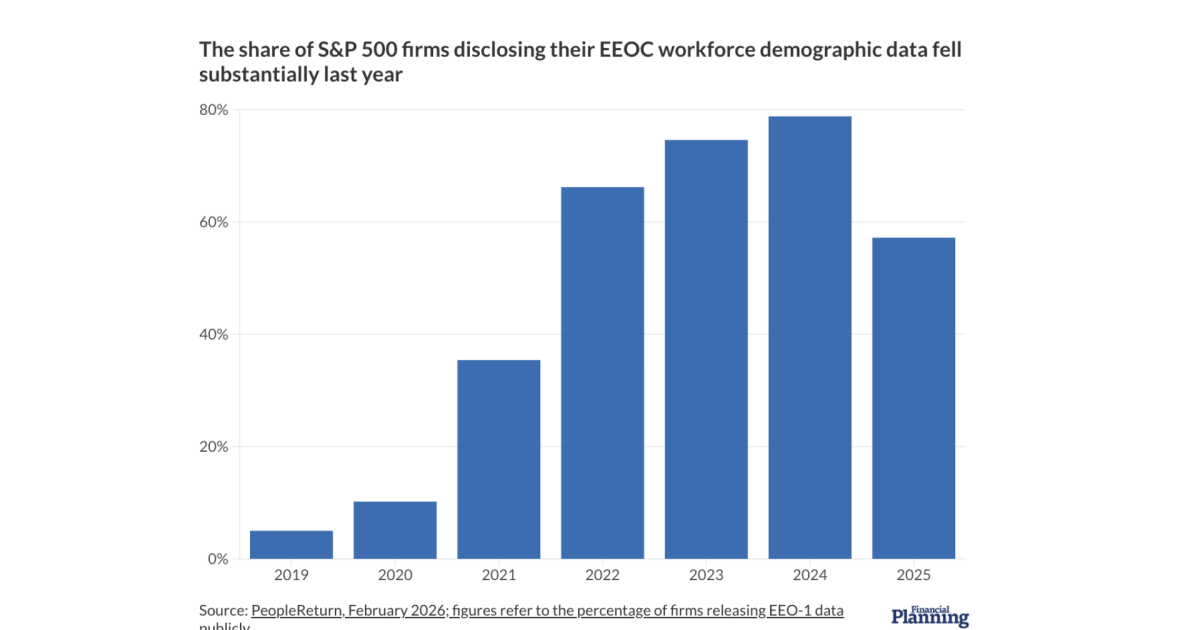
- Disclosures are moving away from specific commitments. Publicly traded companies are shifting their workforce demographic disclosures, showing a steady linguistic migration towards less explicit language and fewer formal commitments.
- The ESG generational divide has narrowed. Surveys suggest a convergence in environmental, social, and governance concerns among older and younger investors, indicating a shift towards pragmatic equilibrium in ESG strategies.
Subtle, Rather than Seismic Shifts
Meredith Benton, founder of Whistle Stop Capital, notes that the changes in companies’ policies are more reflective of the current business environment than true systemic change. While there has been a decline in disclosure, active managers and research firms continue to engage with companies, ensuring alignment with client principles.
Despite challenges, practitioners like Victor Orozco emphasize the importance of ensuring that investment vehicles align with clients’ values, even in a moment that requires more effort. Keith Beverly’s proactive approach of establishing dialogue with companies through letters aims to recognize and encourage good work amid shifting circumstances.
As the ESG landscape continues to evolve, maintaining a focus on accountability, transparency, and dialogue with companies remains crucial for impact investors.