The Impact of Proposed Rule Changes on Banking Supervision
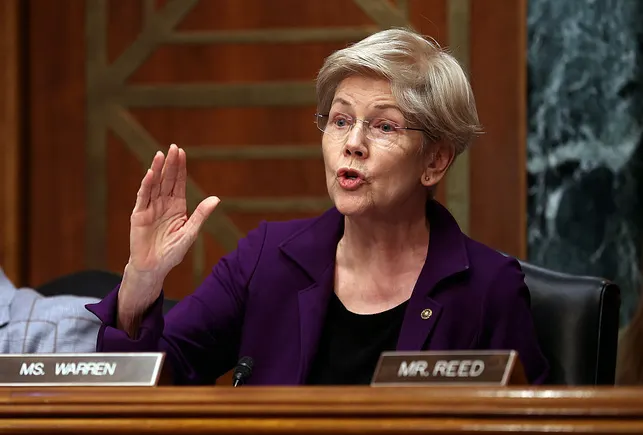
Sen. Elizabeth Warren and four other Democratic senators have raised concerns about a proposed rule that could potentially limit the ability of regulatory agencies to address unsafe or unsound practices within the banking industry. The rule, put forth by the Federal Deposit Insurance Corp. (FDIC) and the Office of the Comptroller of the Currency (OCC), aims to redefine the scope of what constitutes risky behavior in financial institutions.
Proposed Changes and Criticisms
The proposed rule would narrow the definition of “unsafe or unsound” practices, making it more difficult for regulators to intervene in cases where banks are taking excessive risks or operating in a dangerous manner. This change, according to the senators, could have serious implications for the stability of the banking system and the protection of consumers.
Warren and her colleagues argue that the proposed rule would disarm examiners and supervisors, preventing them from identifying and addressing risks early on before they escalate into larger problems. By raising the bar for regulatory enforcement actions, the rule could potentially leave banks vulnerable to financial harm.
One of the key points of contention is the emphasis on the terms “likely” and “material” in defining unsafe or unsound practices. Critics argue that these terms are too vague and could lead to inconsistent application by examiners, ultimately putting banks and the broader economy at risk.
Industry Response and Concerns
The FDIC and OCC have defended the proposed rule, stating that it would provide greater consistency for banks and focus resources on critical financial risks. They believe that the current lack of clarity around the definition of unsafe or unsound practices could result in inconsistent enforcement actions.
However, industry experts and lawmakers have expressed concerns that the proposed changes would limit the ability of regulators to address risky behaviors effectively. By raising the threshold for intervention, the rule could potentially allow dangerous conduct to go unchecked, putting the entire financial system in jeopardy.
The Conference of State Bank Supervisors has also weighed in on the proposed rule, emphasizing the importance of promoting management accountability and coordinating with other regulatory bodies to ensure consistent standards across the industry.
Conclusion
The debate over the proposed rule changes highlights the complex challenges facing the banking industry and regulatory agencies. As lawmakers and industry experts continue to voice their concerns, it is essential to strike a balance between promoting financial stability and holding institutions accountable for risky behavior.
For more information, you can read the full article here.