Flagstar Bank Reports Profit After Eight Quarters of Losses
Flagstar Bank, previously known as New York Community Bancorp, reported a profit in the fourth quarter of 2025, marking a significant shift after two years of losses. This financial turnaround was largely spurred by persistent commercial loan troubles, escalating credit-loss provisions, and capital concerns. “I think we’re now pivoting to the growth side of the story,” said Lee Smith, the bank’s chief financial officer.
The Long Island-based bank ended a long period of losses that began two years ago due to significant commercial loan troubles. For the past two years, the bank reported eight straight quarterly losses. The financial turnaround was achieved by cutting noninterest expenses across several categories and reducing the provision for potential bad loans, which helped boost net interest income by nearly 50% year over year.
From Red to Black: A Significant Milestone
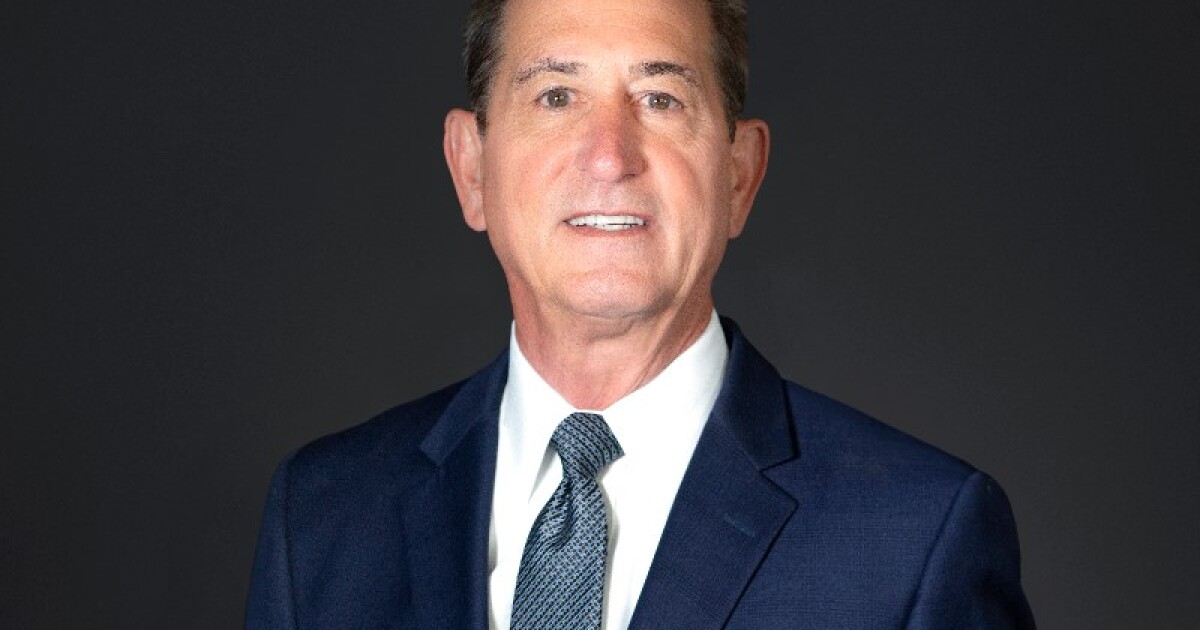
CEO Joseph Otting termed the return to profitability as “a significant milestone”. He further stated that the management team remains committed to transforming Flagstar into “one of the best-performing regional banks in the country”. Otting, who was the comptroller of the currency during the first Trump administration, has been leading the bank as CEO for nearly two years now. Under his leadership, the bank has managed to recover from significant commercial loan troubles, particularly in its real estate portfolio.
Otting, along with former Treasury Secretary Steven Mnuchin and other investors, injected $1.05 billion of capital into the bank in 2024 to stabilize it against further deterioration. By mid-2024, Otting and a new management team laid out a three-year business overhaul and moved quickly to implement it.
Diversifying the Loan Portfolio
One of the main objectives of Otting’s plan is to further diversify the bank’s loan portfolio, which was historically dominated by multifamily loans in the New York metro area. Flagstar is focusing on doing more commercial-and-industrial loans while reducing its commercial real estate portfolio. Last year, there were $5.5 billion of CRE loan payoffs, including $4.2 billion in multifamily loans.
The changes over the past two years have resulted in a reduction in total assets. However, the bank expects the balance sheet to grow in 2026 to $93.5 to $95.5 billion, and by 2027, when the turnaround should be largely complete, assets should be $103 billion, according to CFO Lee Smith.
Looking Ahead
Despite the recent success, there are still “a lot of moving parts” involved in Flagstar’s turnaround strategy. During the fourth quarter, the bank’s revenues were $557 million for the three-month period, down about $75 million year over year. The bank also incurred $4 million in severance costs during the quarter, due to layoffs that took place earlier.
Flagstar mostly maintained its financial targets for 2026 and 2027, which it had laid out in previous quarters. However, it did lower its net interest income expectations by $100 million for both years, reflecting the anticipation of higher payoffs in the CRE book.
Flagstar’s success story is a testament to the bank’s resilience and commitment to providing excellent service. The bank’s return to profitability marks an exciting new chapter in its history, and it’s clear that Flagstar Bank is poised for continued growth in the years to come.
For more detailed information, you can access the original source here.